
Accent Wall Painting: Getting It Right the First Time
Step-by-step guide to choosing colours, preparing walls, and painting like a pro. We'll cover common mistakes and how to avoid them.

Why Accent Walls Transform a Room
An accent wall isn't just a splash of colour — it's a design decision that can completely reshape how a space feels. Whether you're after drama, depth, or simply want to draw attention to a feature you love, choosing the right wall and colour is essential. The good news? It's totally doable on a budget, and you don't need to be a professional painter to get impressive results.
We've painted dozens of accent walls in UK homes, and we've learned what works and what doesn't. This guide will walk you through the entire process — from selecting your colour and preparing the wall to applying that final coat. You'll avoid the mistakes most first-timers make, and you'll end up with a wall you're genuinely proud of.
Selecting Your Accent Wall Colour
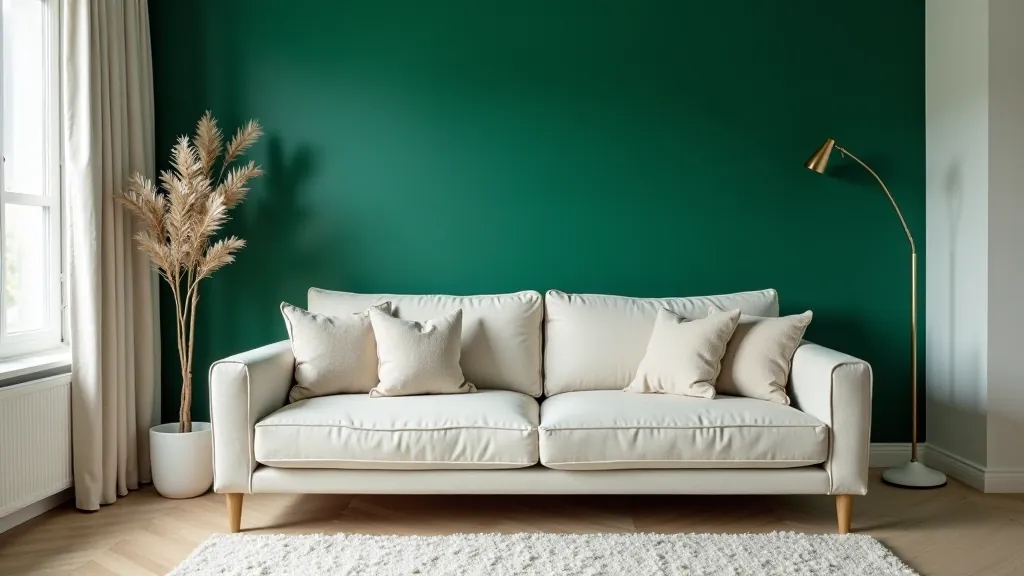
The colour you choose sets the mood for your entire room. Deep teals and navy blues create sophistication and calm. Warm terracottas and ochres bring energy and cosiness. Softer blushes and sage greens offer subtlety without feeling timid. Here's the thing though — you can't just pick a colour you like from a paint chart and hope it works.
Test Before Committing
Buy sample pots (usually £3-5) and paint large patches directly onto your wall. Leave them for 24 hours. Colours change dramatically depending on light — morning light differs from afternoon light, and artificial light changes everything again. You'll see how the colour actually behaves in your space, not just how it looks on a tiny swatch.
Think about your room's existing palette. If you've got warm-toned furniture and wooden floors, a cool blue might look jarring. If your space is already quite minimal and neutral, you can be braver with colour. Also consider the room's purpose — a bedroom benefits from calming hues, whilst a home office might need something more energising.

Choosing Which Wall to Paint
Not every wall works equally well as an accent wall. The best choice is usually the wall you see first when you enter the room, or the one that naturally draws your eye. In living rooms, that's often the wall behind your sofa. In bedrooms, many people choose the wall behind the bed. Kitchens often look brilliant with an accent wall above the worktops or behind open shelving.
Avoid painting walls with lots of windows or doors — they'll break up the colour and you'll lose the dramatic effect. Similarly, if a wall has prominent architectural features like fireplaces, shelving, or radiators, it already has visual interest. Painting it an accent colour might compete rather than complement.
The wall should feel balanced proportionally. If your room is quite narrow, painting a long wall accent colour can make it feel even narrower. A shorter wall works better in that case. Think about sightlines too — you'll be looking at this wall regularly, so choose one where you'll actually enjoy the view.
Related Home Refresh Ideas
Preparing Your Wall Properly
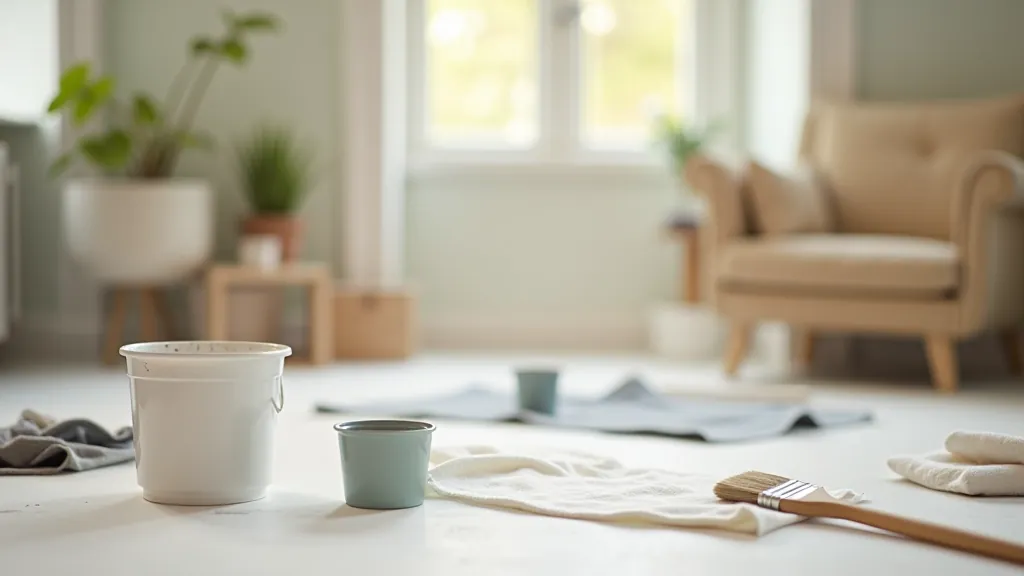
This is where most DIYers rush, and it's where the final result suffers. Proper prep takes time, but it's what separates a professional-looking finish from one that looks patchy or uneven. You'll need to clean the wall, repair any damage, sand it lightly, and apply primer. Yes, primer matters — don't skip it thinking you'll just do two coats of paint instead.
Your Prep Checklist
- 1 Clean the wall thoroughly with sugar soap or a damp cloth. Remove dust, cobwebs, and grime.
- 2 Fill any holes, cracks, or damage with filler. Sand smooth once dry.
- 3 Sand the entire wall lightly with 120-150 grit sandpaper to help paint adhere.
- 4 Apply painter's tape along the edges where your accent wall meets adjacent walls and ceiling.
- 5 Apply one coat of primer. This is non-negotiable, especially with bold colours.
Good quality painter's tape is worth the extra cost. Cheap tape allows paint to seep underneath, and you'll spend more time touching up edges than you saved buying budget tape. Apply it firmly, especially at corners.

Painting Technique & Application
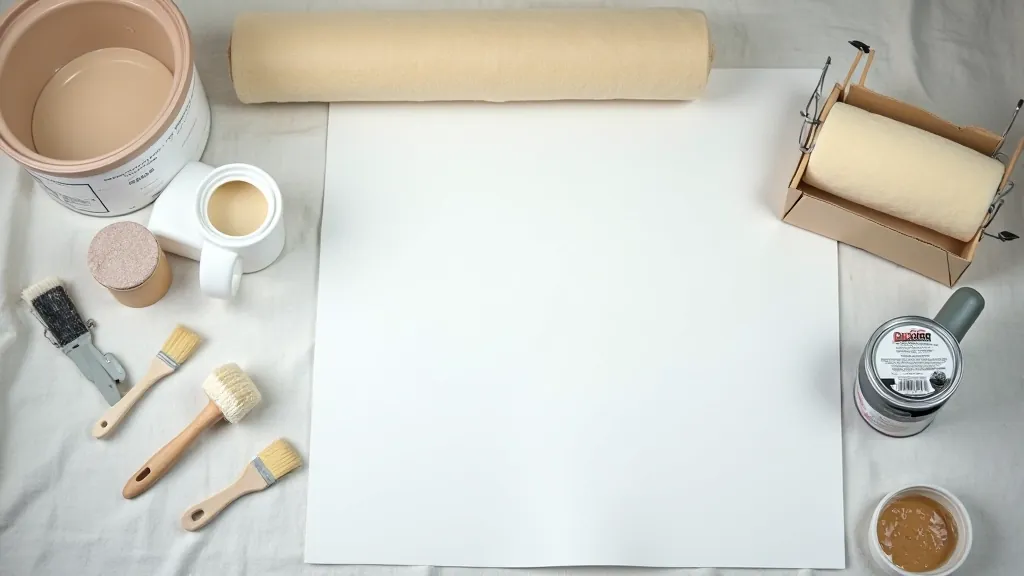
You'll want a good quality roller (not the cheapest option) and a brush for cutting in around edges. A 10-inch roller covers area quickly, but 9-inch gives you better control. Pour paint into a tray and load your roller — it shouldn't be dripping, but it should be well-saturated.
Roll in a "W" pattern, then fill in the pattern without lifting the roller. This ensures even coverage and blends the paint naturally. Don't press hard — let the roller do the work. You'll typically need two coats of coloured paint for solid coverage, though some bold colours might need three.
Cut in your edges first with a brush — paint a 2-3 inch border around the perimeter where the roller can't reach. Then roll the main area. Wait at least 4 hours between coats (check your paint's instructions). Don't peel off the painter's tape until the final coat is completely dry — peeling too early can pull paint off the edges.
Common mistake? Painting too fast. Take your time, especially on the first coat. It's better to do one thorough coat than two rushed ones. And don't cheap out on paint — quality paint covers better and looks richer than budget options.

You've Got This
Painting an accent wall is genuinely one of the most satisfying home projects you can do. It's affordable, it's doable without professional help, and the impact is immediate. You'll spend maybe £30-50 on materials and a weekend on preparation and painting. In return, you get a room that feels completely refreshed.
The key is not rushing the prep work and choosing a colour you genuinely love. Take time with those sample patches. Live with the colour for a few days. Once you're confident, the actual painting is the fun part. And when you step back and see that perfectly painted wall? That's a real sense of accomplishment. You did that.
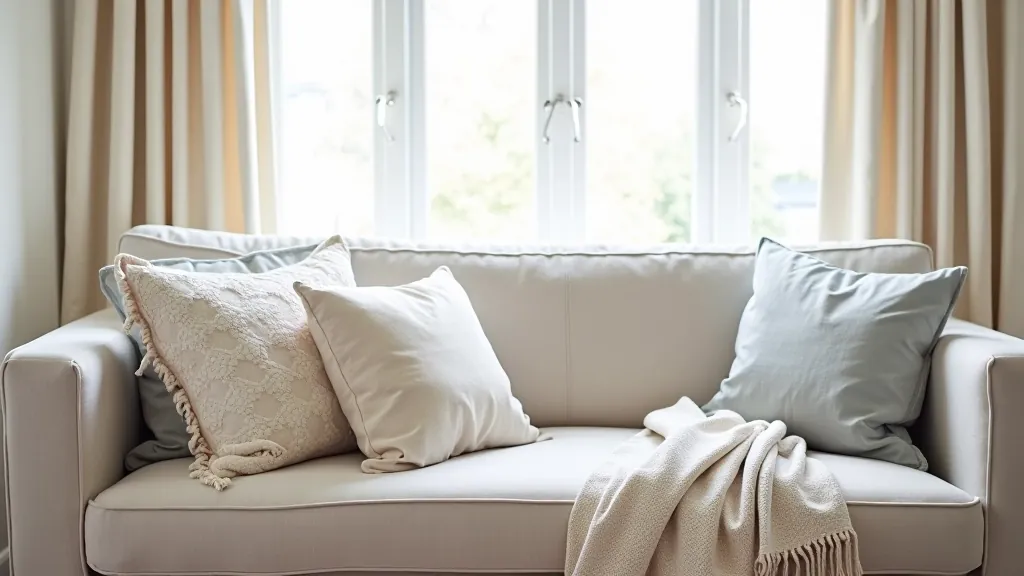
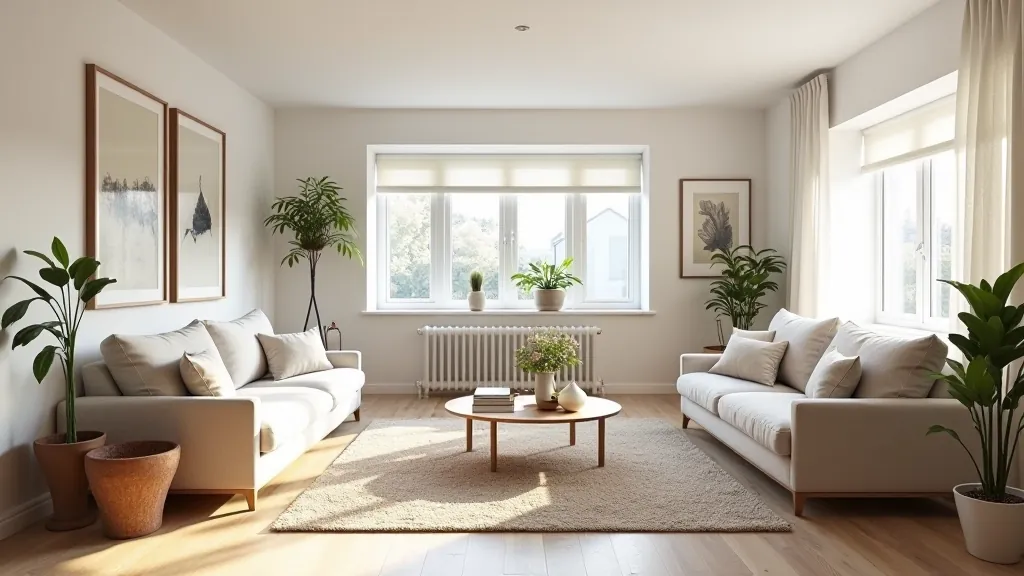
Already thinking about your next refresh project? Check out our guides on soft furnishings updates and furniture rearrangement for more budget-friendly ideas.
Disclaimer
This article is provided for educational and informational purposes only. While we've shared practical guidance based on experience with home painting projects, individual circumstances vary. Always follow the specific instructions provided by your paint manufacturer and primer manufacturer. If you have concerns about wall condition, underlying issues like damp, or structural matters, consult a qualified surveyor or tradesperson. Safety precautions such as proper ventilation and appropriate equipment use are your responsibility. We're not liable for any outcomes from following this guide — use your judgment and seek professional advice when needed.